

about this plant. It’s one of the most beautiful, prolific, and enormous plants that actually grows in our backyard in Michigan. Pokeweed. There are more than one in the yard now, but the one that sits right next to the garden path, well not sits, more like towers, is about 8 feet tall. I did not plant it. I’m pretty sure a bird did when they pooped the seeds onto the soil, along with instant fertilizer.
This pokeweed has a thousand times more berries than the thornless blackberry I planted 9 years ago and have so far reaped a total of 3 berries from. (Not joking. We went sailing in the North Channel two weeks ago [yes! a post for later!], and when we returned, every last blackberry, apple, and peach was noticeably missing from the trees and brambles.) No harvest for the humans. For the raccoons and squirrels? All kinds of fruit cobblers and sweet treats.
In Washington, the weeds in my Mom’s garden grow low to the ground and stubborn, fighting for their spot rather than taking it over with such exuberant eagerness. Weeds in Michigan are definitely not shy–or benign.
Every part of American pokeweed (Phytolacca americana) is poisonous. It’s main stem is the size of a young tree’s trunk, and its taproot probably reaches down another foot or so, firmly anchoring its succulent weight in our sandy soil. From most to least toxic: roots, stems, leaves, berries. When it’s young, some people twice-boil the leaves and shoots for poke salad.
It looks out of place, too abundant, too red and purple and loud. No wonder it makes people uncomfortable.
There’s a lot online about how to manage pokeweed in an agricultural setting. Crop rotation, moldboard plowing, and disking. All techniques I studied as a graduate student at Ohio State University as I talked to organic farmers about the ways they managed the weeds in their fields without chemicals. Only pokeweed isn’t really a “weed.” It’s native to this part of the United States.
I recognized it this spring, when the long, thick stand of flamboyant green leaves literally shot up from the soil early and strong.
I let it grow.
A quick google search, “Should I remove pokeweed?”
“Yes. If pokeweed grows in your landscape, take steps to remove it.”
I’ll tell you what those steps are, because two of my neighbors and I volunteered to weed the community center’s garden beds during Covid and pokeweed was standing front and center.
Step 1: Put on gloves.
Step 2: Bring your best pruners.
Step 3: Attempt to pull it from the ground. When that fails, along with your back, weild best pruners and attempt to cut it off a few inches above the soil.
Step 4: Go back to shed to get shovel and large pruning shears, or possibly a hacksaw.
Step 5: Manage to finally mash/cut the main stem. Begin to dig around taproot.
Step 6: After struggling for 15-20 minutes to pull up taproot, cover what remains with soil and call it a day.
Step 7: Repeat the following year.
In Michigan, pokeweed is native. In Washington State and all along the Northwest Coast, pokeweed is invasive. It’s the same plant, poisonous to people, livestock, and pets. In Oregon, it’s considered an “Early Detection Rapid Response” species! Danger! Danger! In one particularly distressing case, “The berries stained our white dog purple.”
When it grew up to my waist, about 36”, I still didn’t chop it down.
Pokeweed is a member of the nightshade family, the most sinister sounding of them all (tomatoes, eggplants, beware!). Possibly you’ve heard of the deadly nightshade, or belladonna—the beautiful woman. Venetian women in the Renaissance used eye drops made from belladonna berry juice to dilate their pupils for an enchanting effect, and probably a few days of hallucinations, too. Agatha Christie’s serial killer Tim Kendal used belladonna to give his third wife hallucinations before he planned to poison her properly.
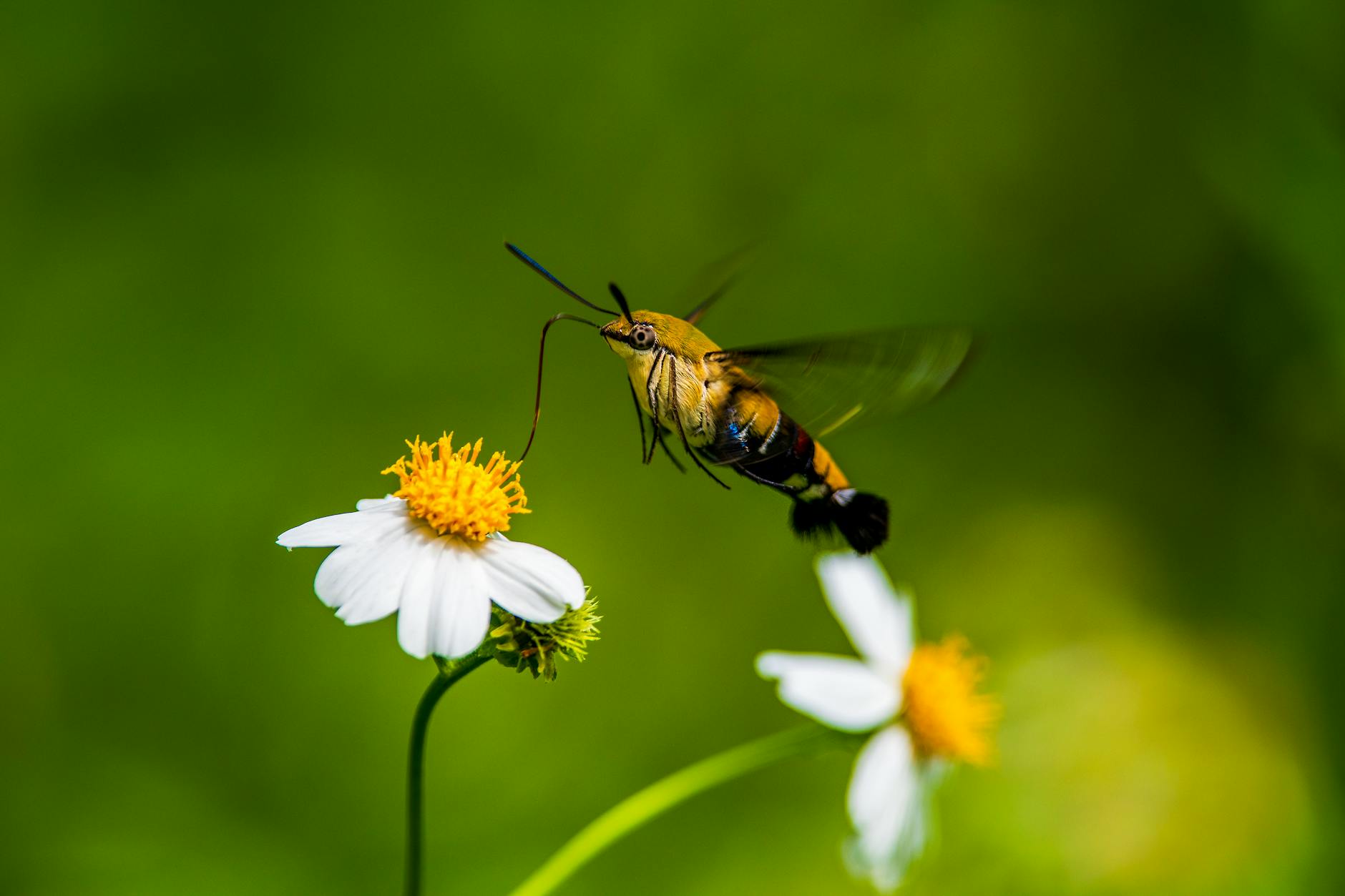
Even though people, pets, and potential murder victims should steer clear of nightshade berries like those bursting from the pokeweed in my backyard, birds and Hawk moth larvae love it. Like a lot of food and medicine, it’s the way the plant is used that matters.
The pokeweed creates her prolific toxins for self-defense. Her roots secrete proteins to protect against root rot and invasion by soil-borne pathogens, and her seeds contain peptides that protect them against fungal diseases. And, in certain well-prepared forms, pokeweed can protect rather than harm humans. Indigenous people made a salve from her juices to ease rheumatism and arthritis and to treat fungal infections, ringworm, and eczema. The extracts from pokeweed, according to some recent scientific work, are shown to have “antibacterial, antiviral, antifungal, anticancer, antiparasitic, and insecticidal activities.”
When she came up to my chin, still, I let her grow.
Inkberry, coakun (not much on where this comes from), scoke (from m’skok, that which is red), whatever you call her, pokeweed was here long before I was, feeding the birds and moths, tapping the ground to let rainwater percolate through and oxygen fill soil cracks like a breath. She provided shade to wild rabbits and rolly polies. She defended herself.
I suppose she might be the one who decided to let me pass each time I measured her height, and now her sprays of white flowers have ripened into fruits that will spread across the neighborhood, a lot like the milkweed seeds that have populated the sidewalk crevices and fence lines of my neighbor’s yards.
An aggressive colonizer, she’s called. Well, I’ll let her be. She has been providing for the people and more-than-human beings with beauty and strength for centuries.
I think she’ll stay.


 Motherlife