Miracles, Parables, and Oracles
It turns out a miracle is (I just now looked it up), profoundly, an object of wonder that causes you to smile.
Keep reading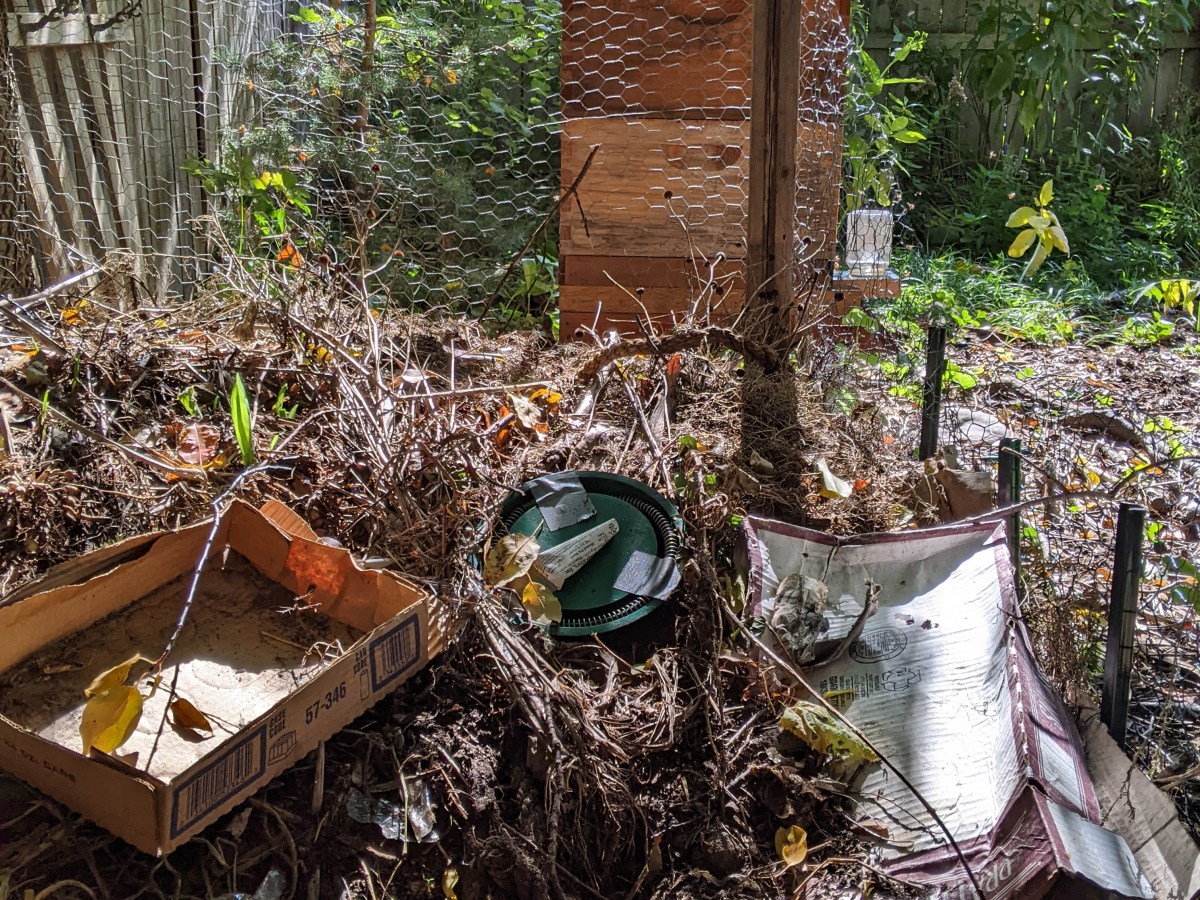
Way to Compost 5: Bed Rest
Not everyone has access to a large piece of land where they can hide a compost pile in a shady corner or stock pile lots of material. Not everyone will be visiting their garden on a regular basis, keeping it free of weeds and plants that have gone to seed. Community or church gardens will…
Keep reading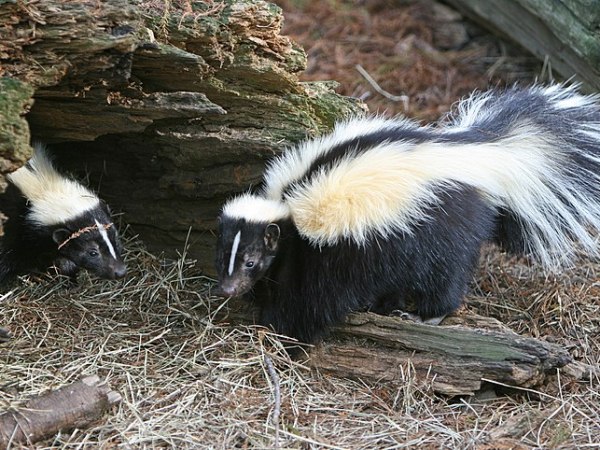
Way to Compost 4: The Barrel or Compost Tumbler
We bought our first house nine years ago (still here!), and the first thing I looked for was a place to build our compost pile. I found a nice, hidden corner for the food digester and a spot under the two hackberry trees in the back for a version of the 3 bin system. But…
Keep readingWho’s Down There?
Do you remember the film the series that came out in 2006, “Planet Earth?” It was, and is, both beautiful and incredible. New technology allowed the film artists to zoom in from tremendous distances with crystal clear clarity. Such groundbreaking camera work is not only visually stunning, but scientifically important in studying the behavior of…
Keep readingWhich Way?
I’ve tried composting lots of different ways: …worm bins made out of Target plastic drawers on wheels, passively aerated piles with perforated PVC pipes buried underneath, plastic garbage bins buried, then filled, lidded, and left for a year or more, long enough to become quite a popular raccoon latrine (left, with three, large pinecone deterrents),…
Keep readingWay to Compost 3: The 3 Bin System
As an intern on an organic farm, I used to compost a lot of raw farm material. The farm was certified biodynamic, which meant that as much as possible, we strived to be a closed system—a farm “organism.” Very few inputs came in (coffee and chocolate were the much needed and celebrated exceptions), and no…
Keep reading
Compost where?
There are two important places where compost happens in nature: the forest floor and inside stomachs. The forest floor is a slow, sweet smelling compost pile we call duff. Duff even sounds muted and mysterious, a substance with tiny secrets and tantalizingly familiar smells. Leaves created through the miraculous process of photosynthesis—a process made possible…
Keep reading
Backyard Tributary
Over the next few days, many people in the U.S. will gather, prepare, give thanks for, and eat a beautiful variety of foods. Might be turkey, might be tres leches, baba ganoush, mac ‘n cheese, or roasted pumpkin and wild rice. Then, the leftovers. The last iterations of soup and sandwich give way to what?…
Keep reading
Way to Compost 2: Worms
They are born, eat, breathe through their skin, and burrow beneath us in the darkness of the soil. Darwin described them as “the intestines of the earth” and went on to say that “it may be doubted whether there are many other animals which have played so important a part in the history of the…
Keep reading
How?
A few years ago, one of our best loved chickens died. Despite her constant search for a hole in the garden fence, Cacciatore was a wonderful earwig eater and provided our family with beautiful, light brown eggs. Mom liked having her around while she was weeding, so instead of burying her way out in the…
Keep readingWhy Compost?
Let’s talk about compost—what it is and why we need to make it happen now more than ever. Every time we eat plants or animals who eat plants, the nutrients they and we need to grow are taken from the soil and put into our bodies for energy. We burn it as energy, but there…
Keep readingWay to Compost 1: The Backyard Food Digester
For gardens and people in the city, room and time are big obstacles to composting. A food digester, sometimes known as a green cone, is perfect if you want to keep organic matter out of your garbage but not work too hard, take up too much space, or think too much about composting it. Basically,…
Keep readingComposting back to life
When anything once alive dies and is put in a compost pile, microscopic life forms begin their work of living and dying. They break down organic matter into tinier and tinier pieces, more elemental with each pass through their microscopic bodies. They eat and live and also die, until all that has died becomes entirely…
Keep reading
Who?
Do you remember the film the series “Planet Earth?” New technology allowed them to zoom in from tremendous distances with crystal clear clarity. Such groundbreaking camera work is not only visually stunning, but scientifically important in studying the behavior of animals while unaware of a human presence. The series included, “Deserts,” “Ice Worlds,” “Great Plains,”…
Keep reading Motherlife